Englemount-Lawrence is the stretch of the Bathurst corridor that most buyers pass through on their way somewhere else, and it rewards the ones who stop. It has subway access, a genuine high street, some of the corridor’s most established community infrastructure, and a housing mix that runs from mid-century bungalows to brand-new custom homes on the same block.
Where it is
The City’s neighbourhood runs from Highway 401 in the north to Hillhurst Boulevard in the south, with Bathurst Street on the east edge and William R. Allen Road on the west. Lawrence Avenue West runs through the middle of it rather than bounding it, which is a common misreading — the blocks north of Lawrence are the part usually called Lawrence Manor, and the Englemount streets sit south of it.
That footprint is the whole point. You have a major arterial on one edge, a highway on another, and a subway line down the western boundary — and yet the interior streets are quiet, treed, and residential. Few Toronto neighbourhoods manage that combination.
The housing stock
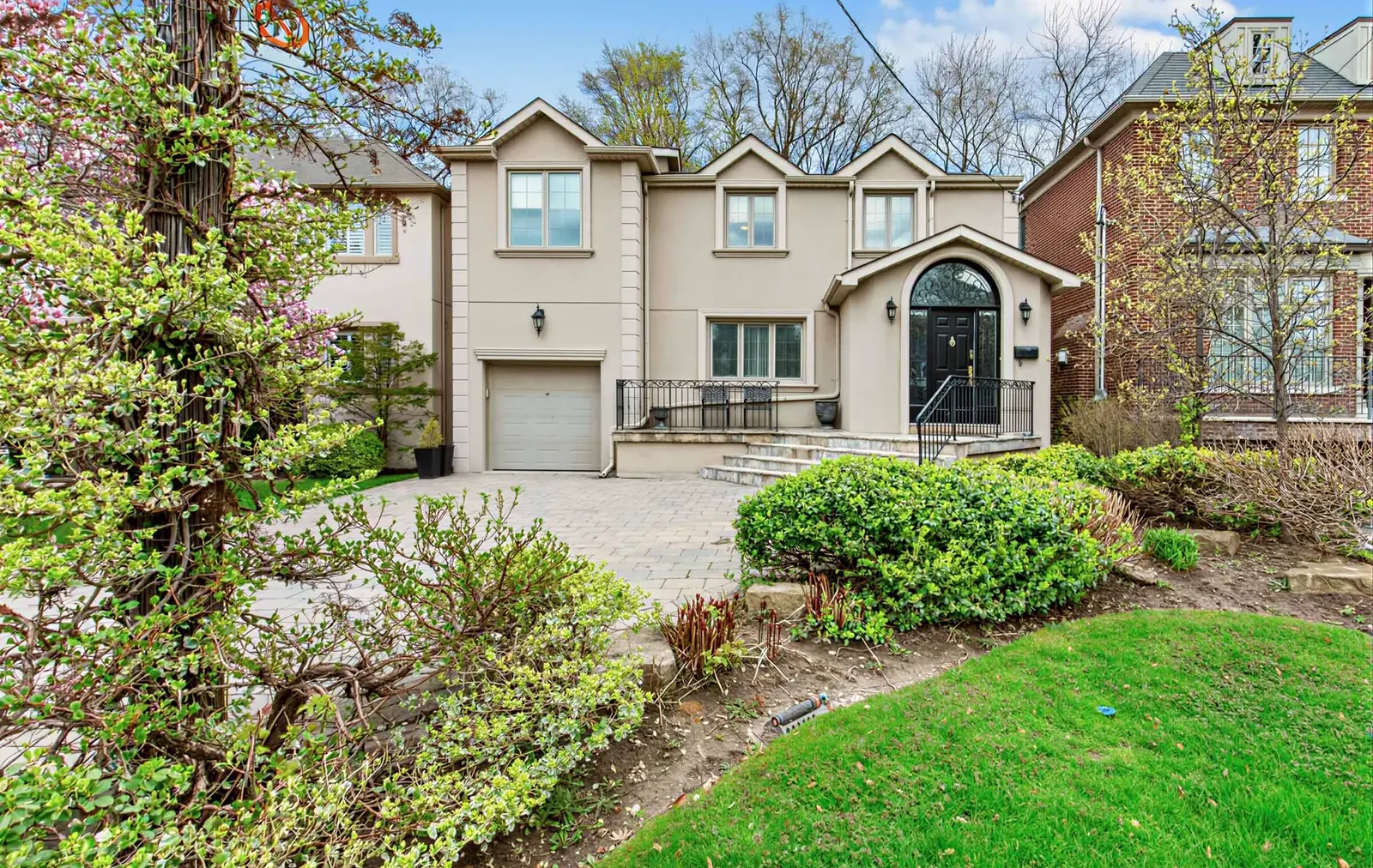
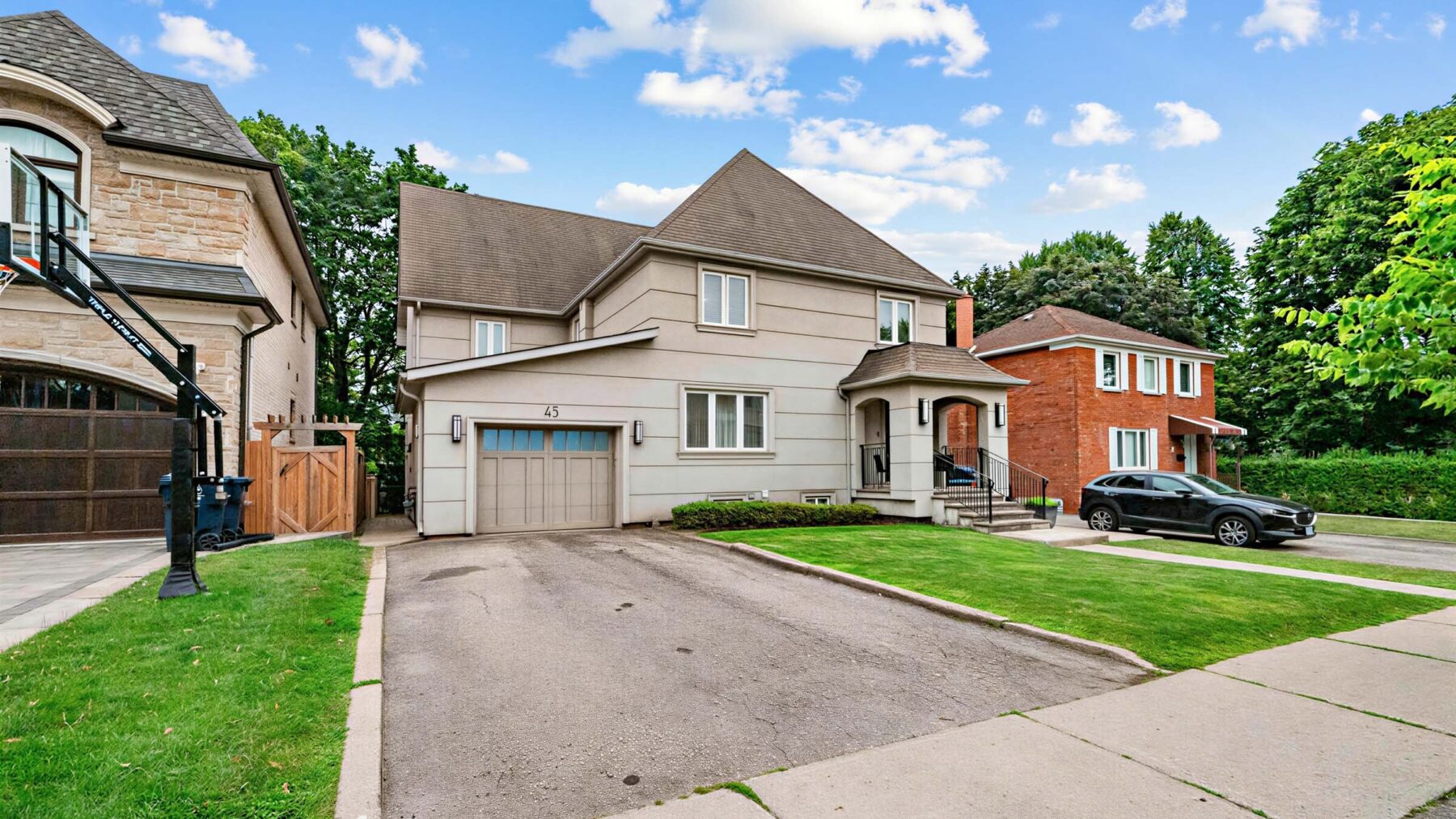
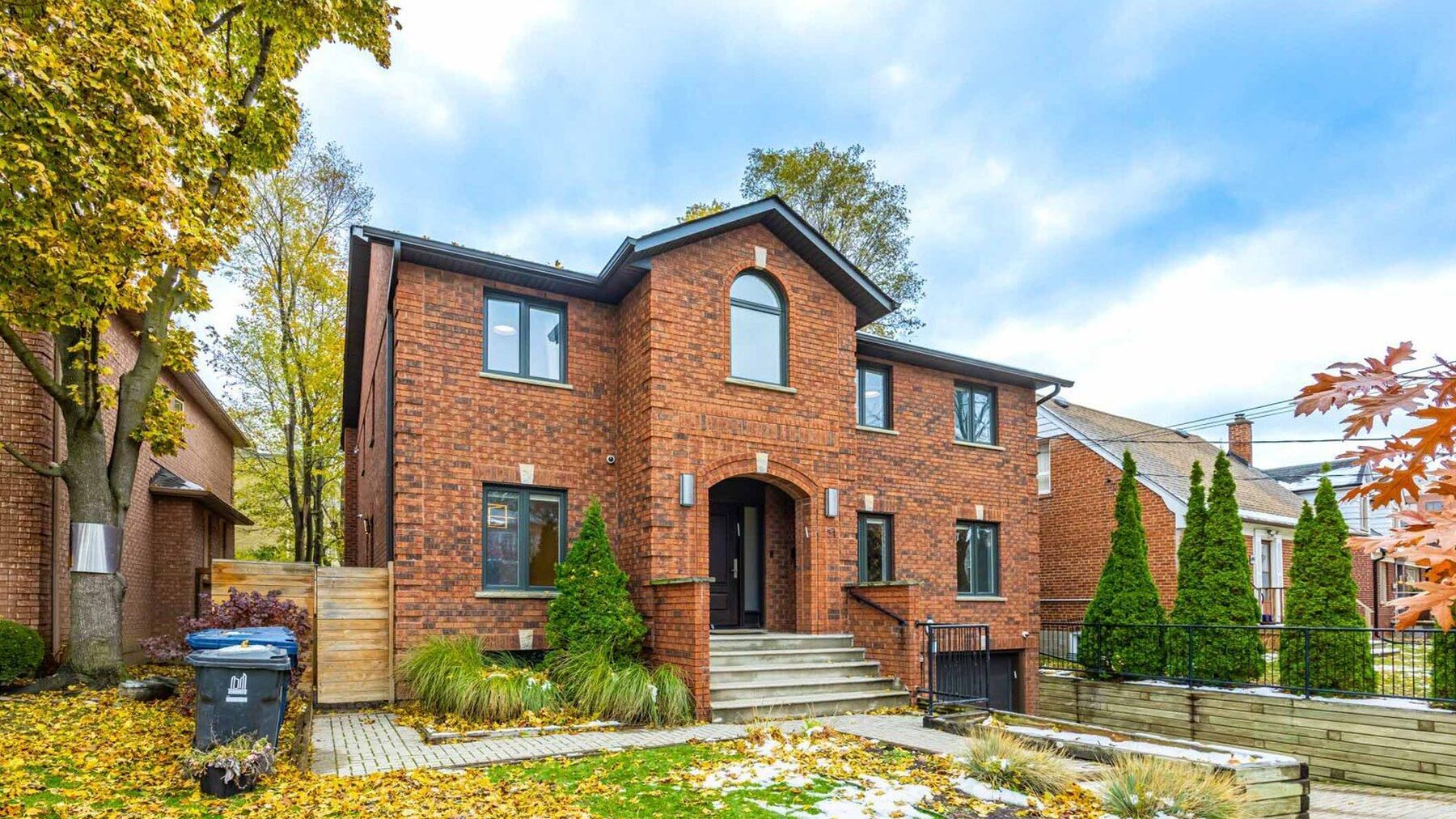
The area was developed from the 1940s onward, originally through the Canada Mortgage and Housing Corporation, and it has been layered on ever since. What you find today is genuinely varied:
- Mid-century detached homes. Bungalows, sidesplits, and two-storeys on solid lots — the neighbourhood’s original stock and still its backbone.
- Renovated and rebuilt houses. A steady stream of custom homes replacing or transforming the originals, particularly on the streets closer to Bathurst.
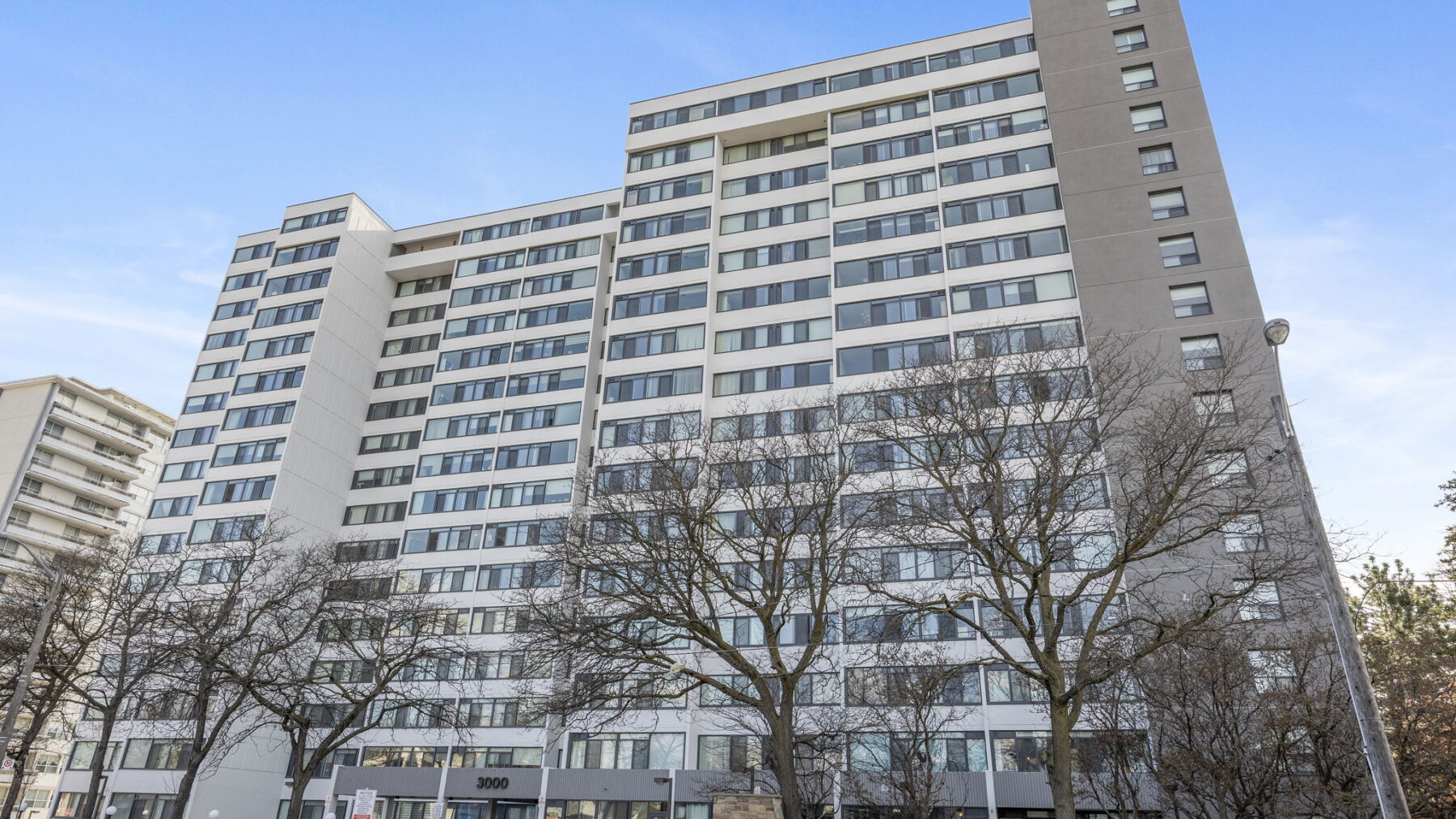
- Low-rise apartments and condominiums. Concentrated along the arterials, and a real entry point into a neighbourhood that is otherwise expensive to buy into.
That last category matters more than people expect. Englemount-Lawrence is one of the few places on the corridor where a buyer can get into the neighbourhood — the schools, the shuls, the community — without a detached-home budget. Families routinely start in an apartment here and move up within a few blocks.
The corridor’s reputation is detached houses. Englemount-Lawrence is where the corridor is actually accessible.
Bathurst and Lawrence
Lawrence Plaza has anchored the corner of Bathurst and Lawrence since 1953, and the retail strip running along Bathurst south of the 401 is the neighbourhood’s real centre of gravity. Groceries, bakeries, kosher retail, restaurants, pharmacies, the businesses that a community actually uses every day.
This is a walking neighbourhood in a way most of North York is not. That is a genuine value driver, and it is one of the reasons homes here hold up in slower markets — you are not only buying a house, you are buying the ability to leave the car in the driveway.
Who lives here
Englemount-Lawrence has a large and long-established Orthodox Jewish community, and the density of shuls, schools, and kosher retail reflects that. It is also home to a substantial Filipino community and a high proportion of first-generation Canadian households — in parts of the neighbourhood well above the provincial average.
The practical effect is a neighbourhood built around families and around walking distance. Proximity to a specific shul or school drives buyer decisions here in a way that simply does not happen in most of the city, and it shows up directly in what particular blocks are worth.
Getting around
Subway. Lawrence West station on Line 1 sits on the neighbourhood’s western edge, with Yorkdale just beyond it. A genuine downtown commute without a car.
Bus. The 7 Bathurst and 52 Lawrence routes cover the north-south and east-west spine of the area.
Driving. Allen Road and Highway 401 are immediately adjacent. For households splitting time between downtown offices and the northern suburbs, the location is close to ideal.
Parks and schools
Green space is more modest here than in Bathurst Manor — this is a denser, more urban neighbourhood. Elijah Park and Prince of Wales Park serve the local streets, and Baycrest’s grounds and the Allen corridor add breathing room.
Schools include TDSB and TCDSB options, with St. Margaret Catholic School and Dante Alighieri Academy among the Catholic offerings, alongside a significant network of private Jewish day schools that many neighbourhood families use instead of the public system. Catchments and school availability shift; confirm for the specific address rather than the neighbourhood.
What buyers should know
Blocks vary sharply. Proximity to Bathurst, to a particular institution, or to the Allen changes value materially over short distances. This is not a neighbourhood where a per-square-foot average tells you anything useful.
Apartments and condos are not all equal. The low-rise stock here ranges from well-run older buildings with reasonable fees to buildings carrying deferred maintenance. Read the status certificate properly — on an older low-rise it is the single most important document in the transaction. It has to be provided within ten days for a fee capped at $100 including HST, and what to look for inside it is worth knowing before you write an offer.
Check what’s possible on the lot. If a rebuild or addition is anywhere in your thinking, frontage, depth, and zoning determine it. Get that answer before the offer, not after. The frontage argument is set out at length in our Clanton Park piece, and it applies just as squarely here.
What sellers should know
The buyer pool here is unusually specific. A meaningful share of purchasers are choosing this neighbourhood for reasons that have nothing to do with the house — walking distance to a particular shul, a school, family already on the street. Marketing that ignores those buyers and simply lists square footage leaves money behind.
Preparation and timing are the two levers you control, and they run on a schedule — our two-week plan is built around getting a property finished before the first showing rather than during it. If the listing does draw competition, what actually happens on offer night is worth understanding in advance.
Getting the timing right matters too. Demand in this pocket moves with the community calendar as much as with the broader market, and listing into the wrong three weeks is a real and avoidable cost.
Common questions
Where are the boundaries of Englemount-Lawrence?
Highway 401 to the north, Bathurst Street to the east, William R. Allen Road to the west and Hillhurst Boulevard to the south. Lawrence Avenue West crosses through the middle.
Is Englemount-Lawrence the same as Lawrence Manor?
Not quite. Lawrence Manor is the part of it north of Lawrence Avenue West, developed by the Canada Mortgage and Housing Corporation from the 1940s. Englemount-Lawrence is the wider City neighbourhood that contains it.
Which subway station serves the neighbourhood?
Lawrence West on Line 1, on the western edge, with Yorkdale just beyond it. The 7 Bathurst and 52 Lawrence West bus routes cover the north-south and east-west spine.
Can you buy into this neighbourhood without a detached-home budget?
Yes, and it is one of the few places on the corridor where that is true. Low-rise apartments and condominiums along the arterials are a genuine entry point, and families often move up within a few blocks later.
What drives value between one block and the next?
Walking distance, mostly. Proximity to a particular shul, school or to the Bathurst retail strip moves price materially over short distances, which is why a per-square-foot average across the neighbourhood tells you very little.
When is the best time to list here?
Demand in this pocket moves with the community calendar as much as with the wider market. Listing into the wrong three weeks is a real and avoidable cost, and it is worth checking the calendar before a launch date is set.
Talk to someone who works this corridor
Englemount-Lawrence sits at the centre of where we do business. If you’re considering buying here, or you own a home and want a straight answer on what it’s worth today, that’s a conversation we have every week.
Browse homes in Englemount-Lawrence, check The Eichorn Report for this month’s corridor numbers, or request a home evaluation.