Bathurst Manor is one of those Toronto neighbourhoods that outsiders drive through and residents never leave. It was built in a single sweep in the 1950s, it has held its shape for seventy years, and it is quietly in the middle of the biggest change it has seen since the bulldozers first arrived.
Where it is
The Manor sits in the former North York, north of Sheppard Avenue West and south of Finch Avenue West, running west from the west branch of the Don River toward Dufferin Street. It sits on a plateau, which is why the streets feel airier than the map suggests and why the ravine edge on the east side drops away so suddenly.
Practically, most people orient themselves by Bathurst. Everything east of it toward the valley reads as the Manor’s quiet core; the Wilson and Sheppard edges are where the traffic and the plazas live.
The housing stock
Almost everything here was built between 1954 and the early 1960s, and that single fact explains most of what a buyer needs to know.
You are looking at postwar bungalows, sidesplits, and backsplits on lots that are generous by any modern Toronto standard. Frontages are wide. Driveways are private. The original houses are modest — three bedrooms, one and a half baths, a kitchen at the back — and they were built well, with solid framing and, in most cases, brick that has aged better than anything put up in the 1990s.
What that produces today is a neighbourhood at three different price points on the same street:
- Original condition. Lived in by the same family for decades, honest and dated. These trade largely on lot value.
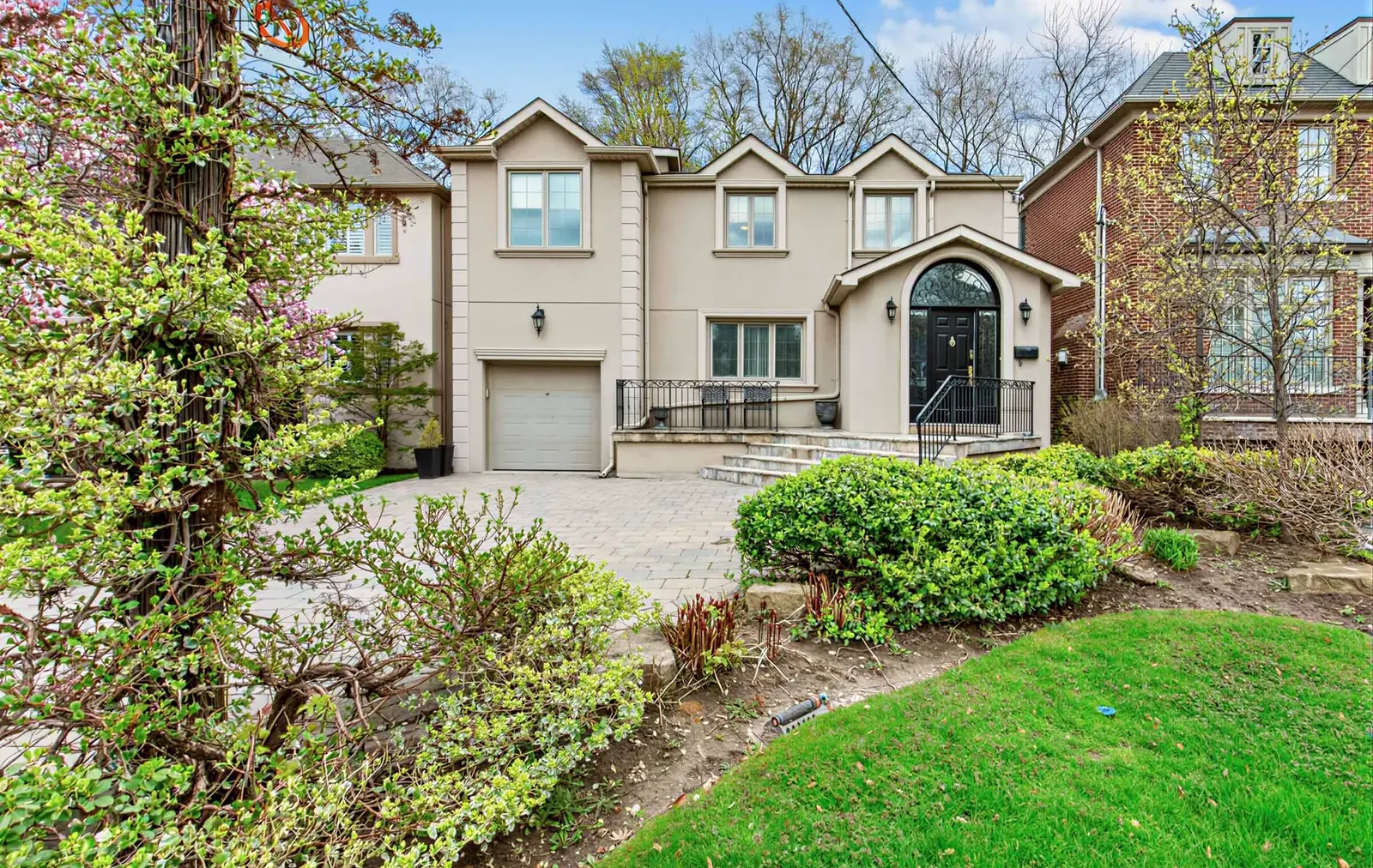
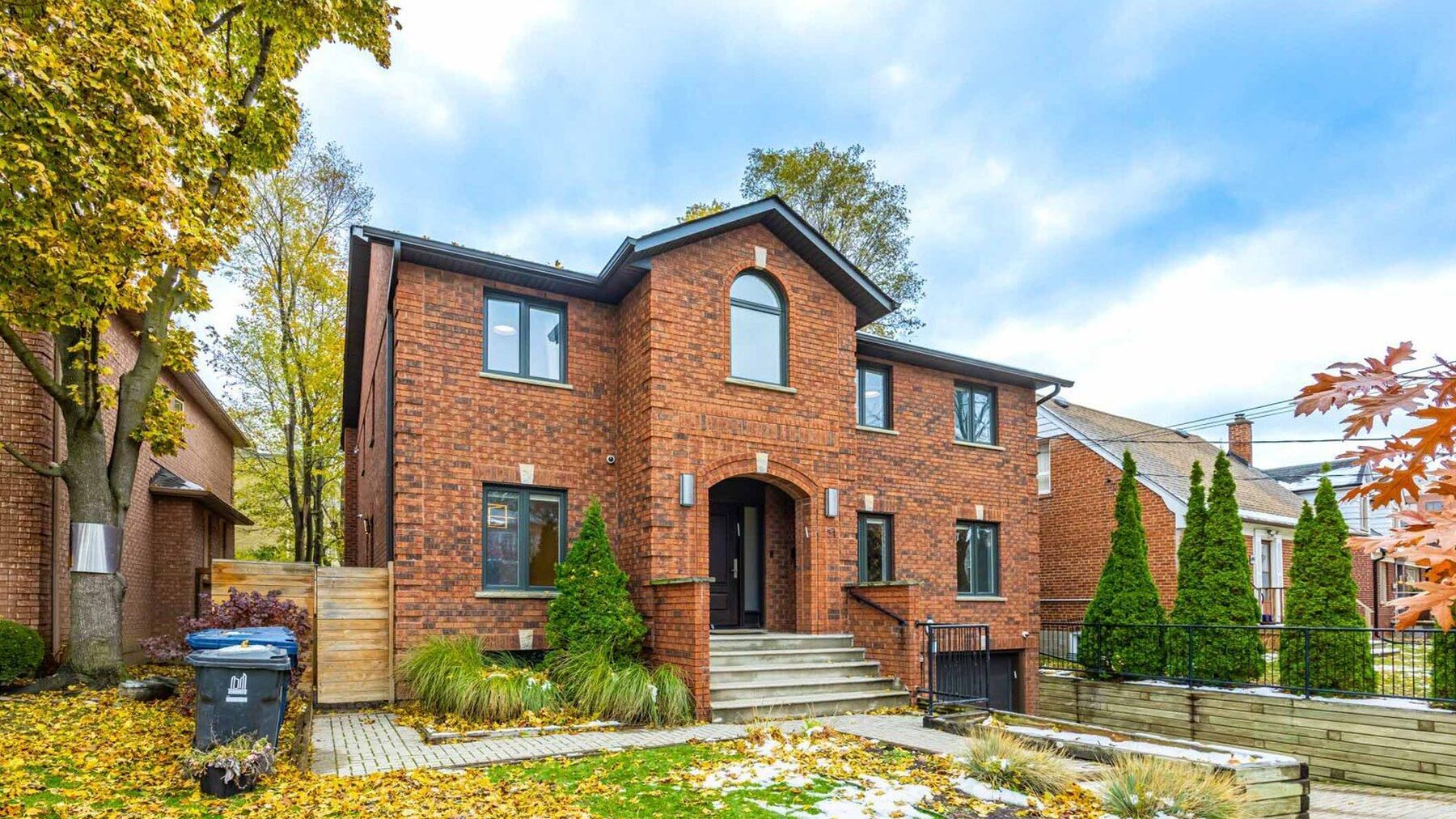
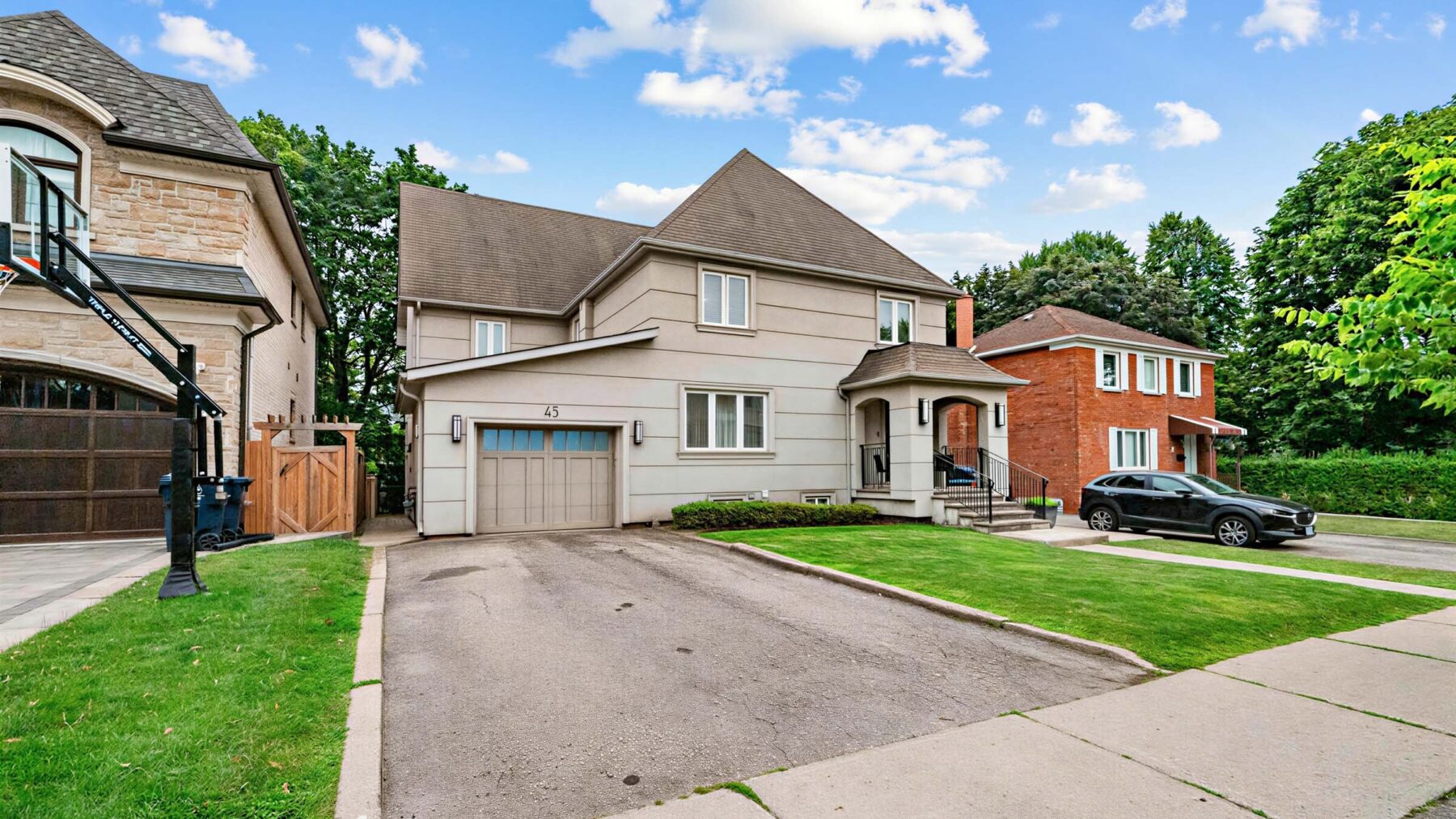
- Renovated and expanded. The bungalow kept, opened up, often with a rear addition and a finished lower level. The sweet spot for families who want the neighbourhood without a two-year project.
- New build. The original house down, a custom home up. Four and five bedrooms, proper primary suites, the kind of finish you’d otherwise drive to Thornhill for.
The Manor’s lots are the asset. The house on top of them is a decision.
What’s actually changing
The rebuild wave is the story here, and it is uneven in a way that creates opportunity. It is the same pattern we traced one neighbourhood south in Clanton Park, where frontage rather than finish sets the floor under values. Some streets have half a dozen new homes and a settled sense of where values are going. Others have one or two, and the original stock is still trading close to land.
That gap matters enormously if you’re buying. A dated bungalow on a street that has already turned is priced differently than the same house three streets over — and the second one is where the value usually is, provided you read the street correctly. That reading is most of what we do here.
Property assessment adds a second wrinkle. Ontario’s province-wide reassessment has been postponed repeatedly, so for the 2026 tax year your assessment is still based on what the property was worth on 1 January 2016. Across the Manor that means tax bills often bear little relationship to what homes now trade for, and neighbours can pay quite differently for similar houses. Worth understanding before you budget.
Who lives here
Bathurst Manor grew up as one of the Jewish neighbourhoods strung along Bathurst Street, and that history is still visible in the institutions — B’nai Brith Canada is headquartered here, and the Prosserman Jewish Community Centre, with its pools, fitness facilities, and the Leah Posluns Theatre, anchors the community’s south end.
The Manor today is genuinely mixed. Filipino, Russian, Italian, and Polish households all form significant parts of the neighbourhood alongside the established Jewish community. It has stayed a first-home-in-Canada neighbourhood for successive waves of families, which is a large part of why it feels the way it does — people know their neighbours because their parents did.
Parks, schools, and the everyday
Green space is the Manor’s underrated advantage. G. Ross Lord Park to the north is one of North York’s largest, with trails, the reservoir, and open playing fields. Irving W. Chapley Park sits inside the neighbourhood itself. The West Don Parklands run the eastern edge, which means a ravine system at the end of the street rather than a fence.
Schools. Secondary options include William Lyon Mackenzie Collegiate Institute, best known for its math, science and computer science program, and Northview Heights Secondary School. Several TDSB elementary schools serve the area, Wilmington among them. As always, confirm catchment for a specific address rather than a general area — boundaries here are not intuitive.
Shopping. Sheppard Plaza and Bathurst Manor Plaza handle daily needs, groceries, and the kosher retail the community relies on. For anything larger, Yorkdale is a short drive.
Transit and driving. Sheppard West station sits at the neighbourhood’s southwest corner and put the subway within reach when it opened in 1996. It carried the name Downsview until 2017, which still catches out buyers reading older material. It remains the Manor’s main link downtown. For drivers, Allen Road and Highway 401 are both close, which is the quiet reason so many Manor residents work across the city and still get home for dinner.
Buying in Bathurst Manor
Three things we tell every buyer looking here:
Read the street, not the listing. Value in the Manor is set block by block. Count the new builds. Look at what the renovations cost. A street mid-transformation is where the money is.
Get the lot dimensions before you fall in love. If there’s any chance you’ll build or add on, frontage and depth determine what’s possible long before an architect does. Two houses that look identical from the curb can have very different futures.
Budget for the closing costs too. Toronto buyers pay two land transfer taxes, provincial and municipal, and on Manor pricing that is a five-figure line on its own.
Budget for the systems, not the kitchen. On a 1950s house the wiring, the plumbing stack, the electrical panel, and the drains are what actually cost money. The kitchen is the cheap part. Have that conversation with your inspector, not your designer.
Selling in Bathurst Manor
The buyer pool here splits cleanly between families who want a finished home and builders who want a lot, and they value your property using completely different arithmetic. Pricing and presenting for the wrong one is the most common and most expensive mistake we see.
Preparation is what decides which of those two buyers turns up, and it runs on a calendar — our two-week plan sets out the order. Where the household cannot absorb showings, a quieter route may serve better; we set out the honest version of that in what off-market really means.
An original bungalow marketed as a tired house sells at a discount. The same bungalow marketed accurately — lot dimensions, zoning context, what the street’s recent builds have achieved — sells to a different buyer at a different number. Which of those happens is a strategy decision made before the photos are taken.
Common questions
Where exactly is Bathurst Manor?
It sits on a plateau in the former North York, bounded by Finch Avenue West to the north, Sheppard Avenue West to the south, the West Don River to the east and Dufferin Street to the west.
What kind of houses are in Bathurst Manor?
Almost the whole neighbourhood was built between 1954 and the early 1960s: postwar bungalows, sidesplits and backsplits on wide lots with private driveways. Many have since been renovated and expanded, and a growing number have been replaced with new custom homes.
Which subway station serves Bathurst Manor?
Sheppard West on Line 1, at the neighbourhood’s southwest corner. It opened in 1996 and was called Downsview until 2017.
Why do property taxes vary so much between similar houses here?
Because Ontario’s reassessment has been postponed. For the 2026 tax year, assessments still reflect 1 January 2016 values, so bills often bear little relationship to what a house would sell for today.
Should I renovate before selling in the Manor?
It depends which buyer you are selling to. Families buying a finished home price the house; builders buying a lot price the frontage and the zoning envelope. Establish which pool your property sits in before spending anything.
Is Bathurst Manor the same as Clanton Park?
No, they are neighbours. Clanton Park sits immediately south, between Sheppard Avenue West and Highway 401. The housing stock and the rebuild pattern are similar; the boundaries and the streets are not.
Talk to someone who works here
We sell on the Bathurst corridor because we know it street by street, not because it came up in a search. If you’re weighing a move into the Manor, or wondering what your house is worth now that three new builds have gone up around you, that’s a straightforward conversation.
See what’s currently available, read The Eichorn Report for where corridor numbers actually sit this month, or book a home evaluation and we’ll give you a real answer on your address.