Ask most buyers to name the corridor’s premier streets and Clanton Park isn’t the first answer. Look at what is being built there, and it should be.
This is the pocket bounded by Sheppard Avenue West to the north, Bathurst Street to the east, Highway 401 to the south, and the old Downsview airport lands and Wilson Heights Boulevard to the west. Two Line 1 stations sit at its corners — Sheppard West and Wilson — which is more subway access than most of the corridor can claim.
The housing stock is the whole story
Clanton Park went up in the 1950s, and its original streetscape of postwar bungalows is one of the more intact in the city. Those bungalows sit on suburban-scale lots, typically fifty to sixty feet of frontage.
That number is why the neighbourhood is changing. Fifty to sixty feet is the width at which a rebuild stops being a compromise. You can put up a proper centre-hall home with a double garage and still have a yard. On a thirty-foot lot you are designing around the constraint; here you are not.
What that means in practice
A buyer looking at a Clanton Park bungalow is rarely only buying the bungalow. They are pricing the land, the frontage, the zoning envelope and what could stand there in three years. That is a different calculation from the one a buyer makes in a neighbourhood of finished homes, and it sets a floor under values that has very little to do with the condition of the house currently on the lot.
Two sales, one street pattern
We have sold on both sides of this divide, and the contrast is the clearest way to see it.
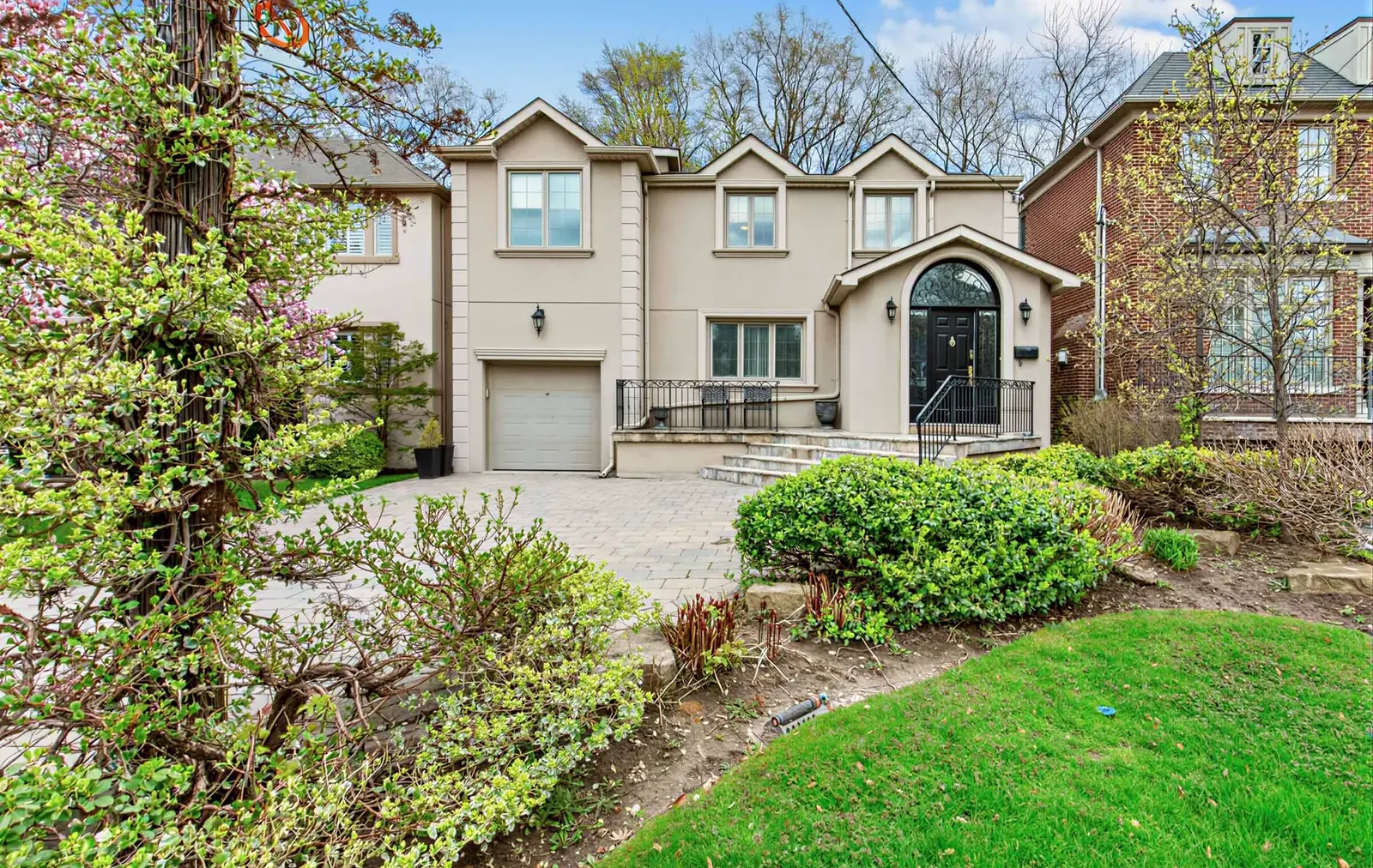
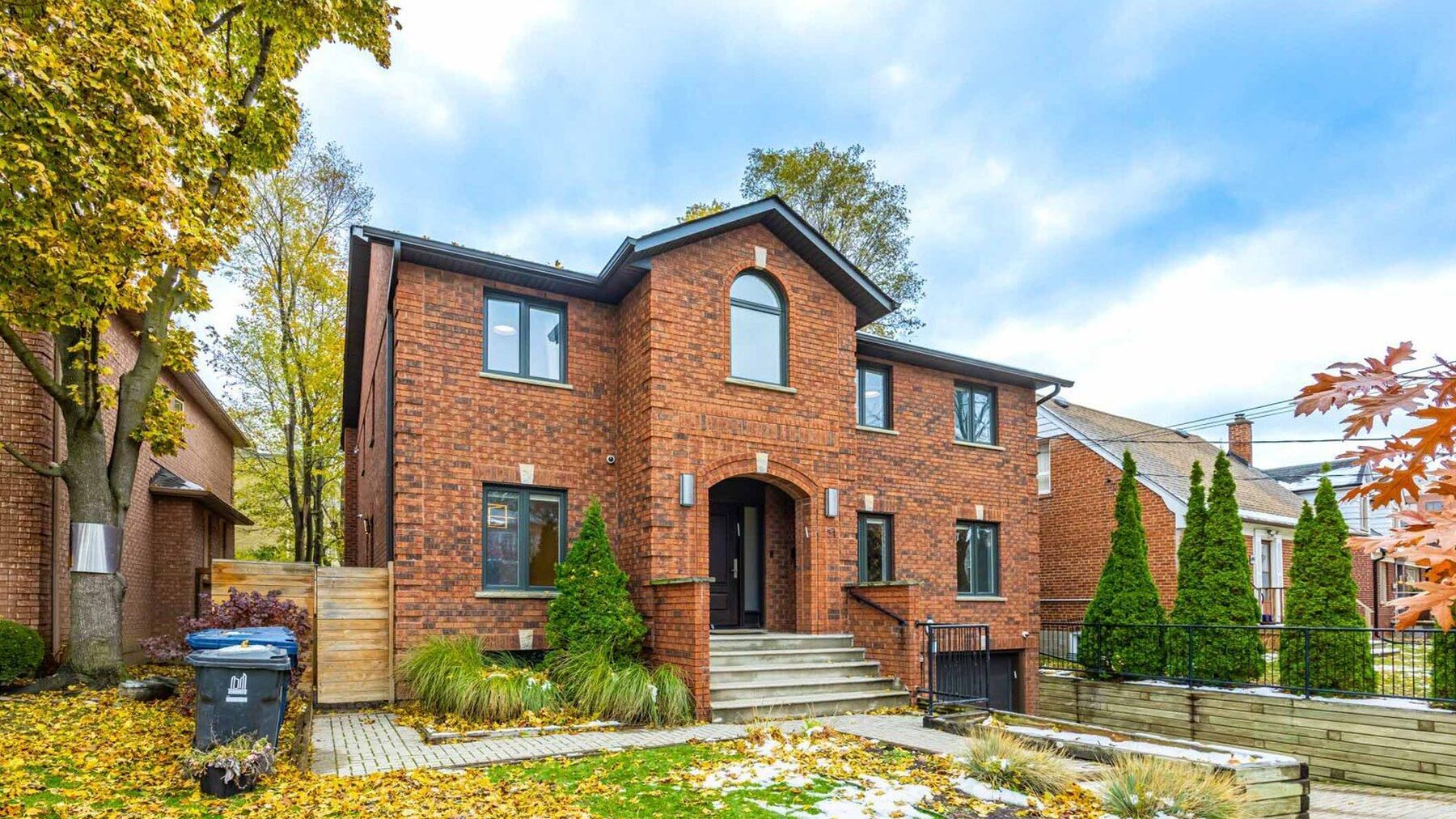
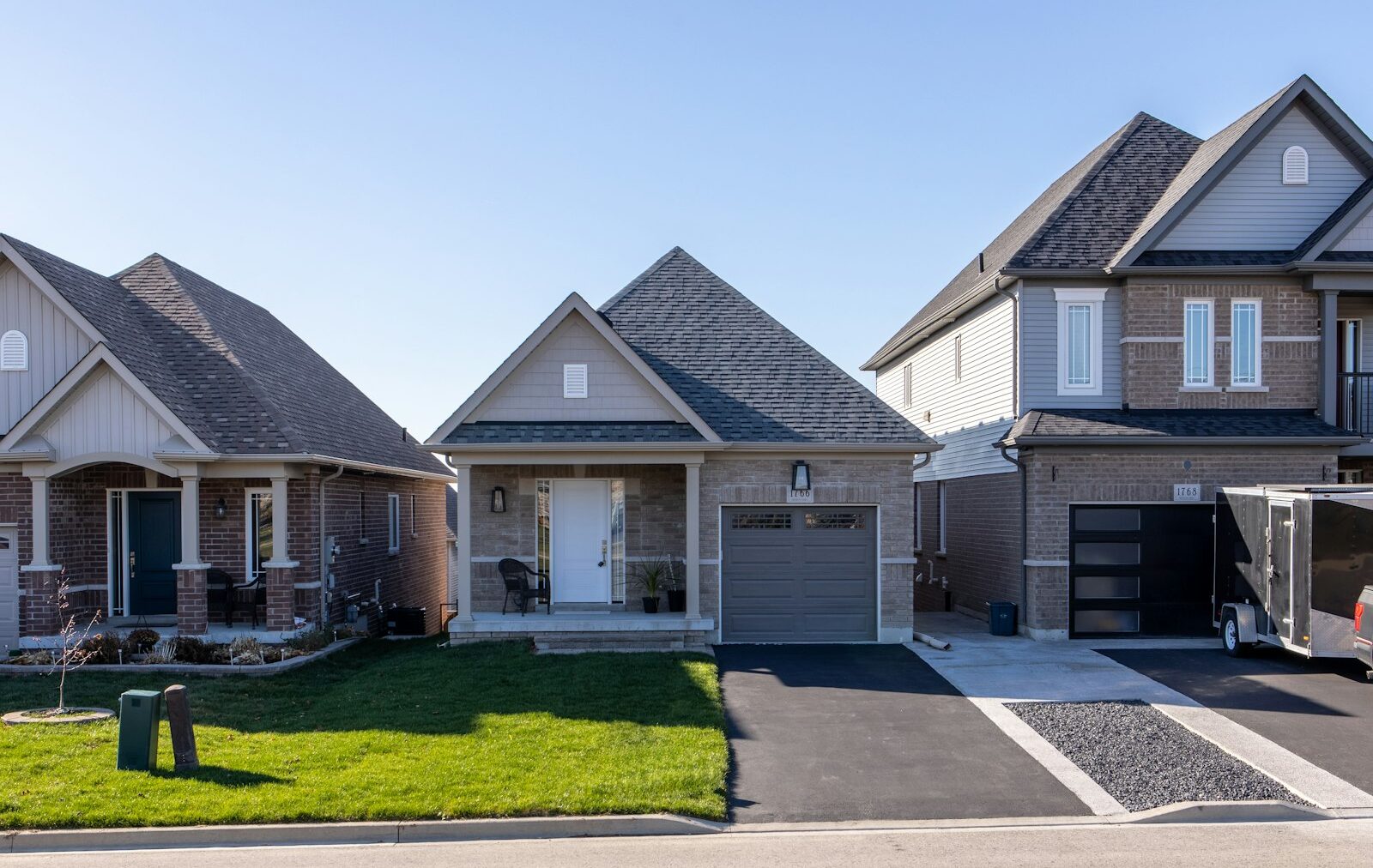
On Yeomans Road, a 1,500 square foot bungalow on a 42 by 119 foot lot — original stock, the kind of house the neighbourhood was built as. On Harlock Boulevard, a 60 by 135 foot lot carrying roughly 2,500 to 3,000 square feet across six bathrooms — the kind of house the neighbourhood is becoming.
Same neighbourhood, same era of original construction, entirely different products. Both sold. That is what a street in transition looks like from the inside.
Why new construction lifts the neighbours
When a rebuild completes on a block, three things follow.
The comparable sales change. An appraiser looking at that street now has a recent high-water mark to work from, and it drags the range upward even for houses that have not been touched.
The buyer pool changes. Families who would not have considered a 1950s bungalow will consider a street with two or three new homes on it, because the trajectory is visible.
And the holdouts gain optionality. If you own an original bungalow on a sixty-foot lot surrounded by rebuilds, you have two buyers rather than one: someone who wants to live in your house, and someone who wants your land. Competition between those two is what moves price.
The everyday case
The neighbourhood sits between two of North York’s largest green spaces — Downsview Park to the west and Earl Bales Park to the east — with several smaller parks inside its own boundaries, including Tippett Park, which opened in 2025.
Schools in and around the pocket include Dublin Heights Elementary and Middle School, Faywood Arts-Based Curriculum School and St. Robert Catholic School, alongside independent schools including The Toronto Heschel School and Yeshivat Or Chaim.
Bathurst runs the eastern edge, which puts the corridor’s shops and services within a short drive, and the 401 on the southern edge means you are on the highway in under five minutes. That last point cuts both ways — it is convenience, and it is also why the streets closest to the 401 price differently from the streets up near Sheppard.
If you own here
The single most useful thing you can know is your frontage, because it determines which buyer you are selling to. Under about forty-five feet, you are selling a house and the buyer is judging your kitchen. Above about fifty-five, you are selling a site, and a tired kitchen matters far less than most sellers assume.
Sellers in that second group routinely spend money on renovations that the eventual buyer intends to demolish. Knowing which conversation you are in, before you spend anything, is worth more than any staging decision.
If you are buying here
Check the zoning envelope before you fall in love with the lot. Frontage is only one input — setbacks, height limits, coverage and any protected trees on the property all shape what can actually be built. A sixty-foot lot with a mature protected tree in the wrong position is not the same asset as a sixty-foot lot without one.
And look at what has already gone up on the block. Three completed rebuilds on a street tell you the approvals are achievable there. An empty street of originals tells you less, and you may be the one discovering why.
Common questions
Where exactly is Clanton Park?
It is bounded by Sheppard Avenue West to the north, Bathurst Street to the east, Highway 401 to the south, and Wilson Heights Boulevard and the former Downsview airport lands to the west.
Which subway stations serve Clanton Park?
Sheppard West and Wilson, both on Line 1 Yonge-University, sit at the northeast and southeast corners of the neighbourhood.
What are the lots like?
Most of the original 1950s housing sits on suburban-scale lots with roughly fifty to sixty feet of frontage, which is wide by Toronto standards and is the main reason the neighbourhood attracts rebuilds.
Is it worth renovating a Clanton Park bungalow before selling?
It depends almost entirely on frontage. On a narrower lot the buyer is likely buying the house, and presentation matters. On a wide lot the buyer may be buying the land, and money spent on finishes can be money spent on something that will be removed.
How does Clanton Park compare with Englemount-Lawrence?
Englemount-Lawrence is further along the same curve, with more completed rebuilds and higher entry pricing. Clanton Park offers comparable lot widths at a lower starting point, which is precisely why builders have been paying attention to it.
Thinking about a move on this street
We work these blocks and we track what sells, what stalls and what the builders are actually paying for frontage. If you own in Clanton Park and want to know which of the two buyers you would be selling to, book a free home evaluation — or see what is currently on the market here.