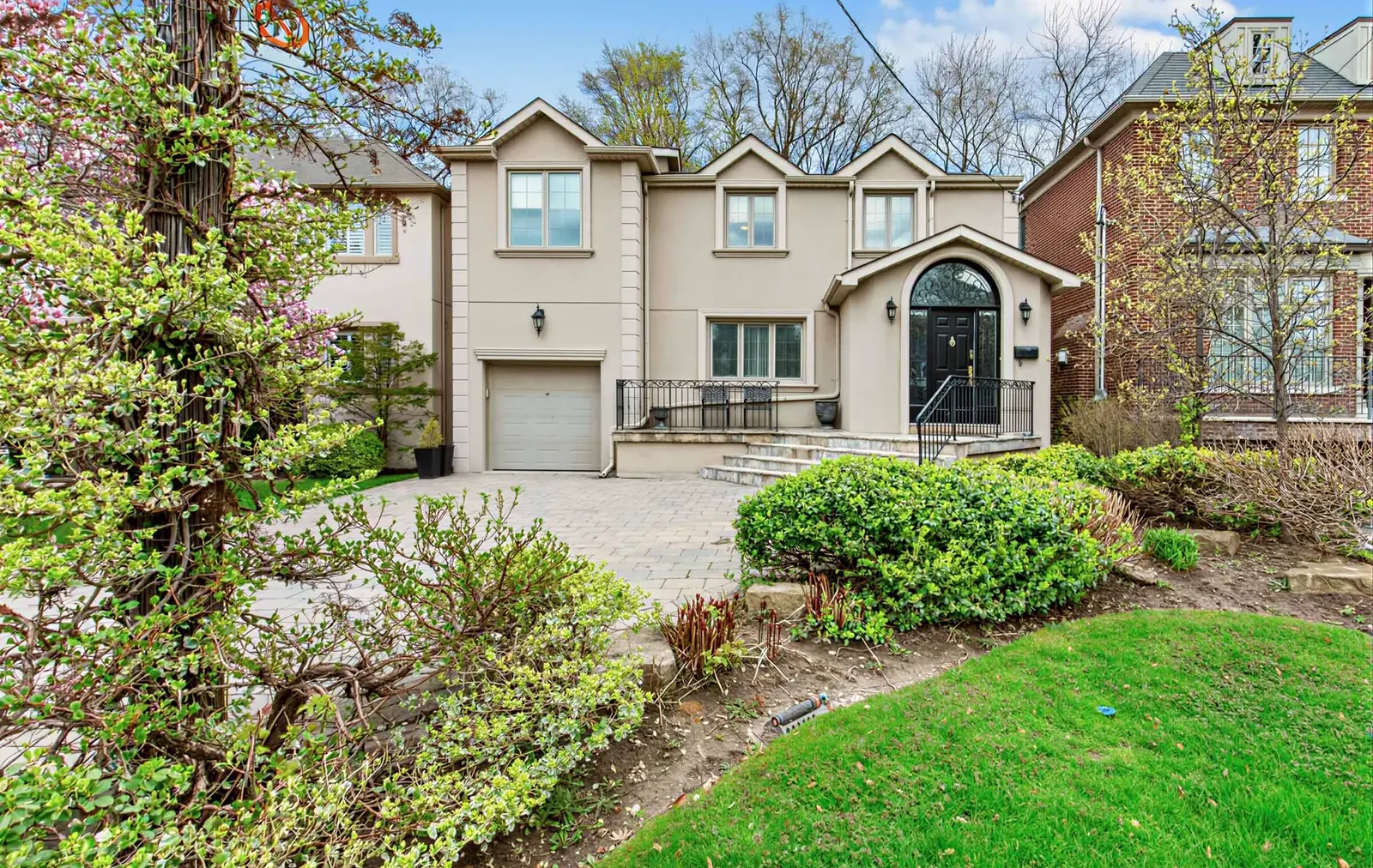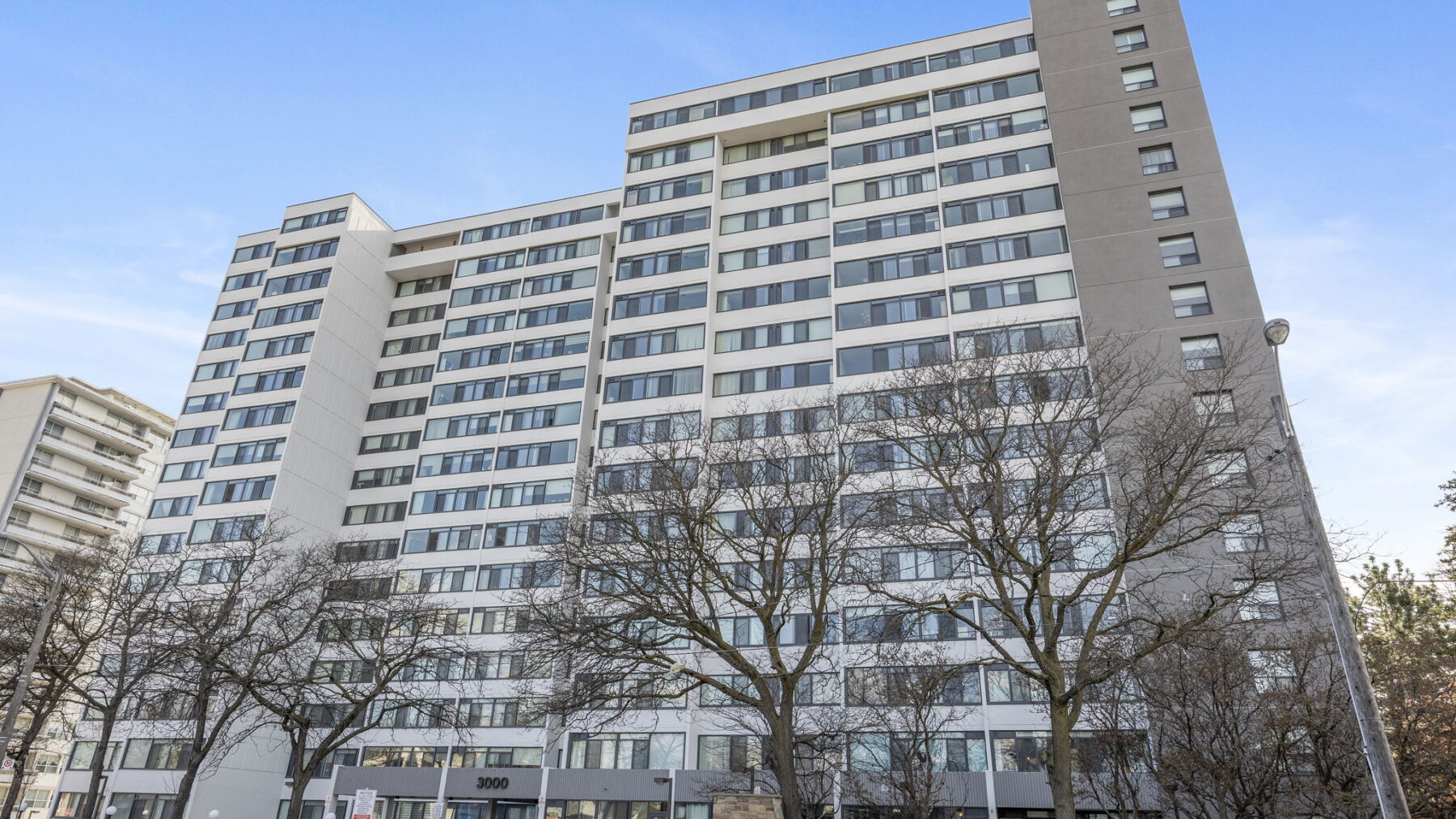
“Off-market” gets thrown around a lot. On the Bathurst corridor it isn’t a marketing gimmick. It’s how a real share of the best homes quietly change hands every year.
It is also the most loosely used phrase in Toronto real estate. Three quite different things get called off-market, and the differences are not cosmetic — one of them is now governed by a national rule with a three-day clock attached.
The three things people mean
An exclusive listing. The seller has signed a listing agreement with a brokerage, but the property is not on the MLS system. It is marketed privately, to a specific set of buyers and agents. This is the real thing, and it is entirely permitted.
A pre-market or “coming soon” property. The listing exists and will go public, but the agent is building interest first. This is the version most buyers picture, and it is the version the rules have tightened around.
A private sale with no brokerage involved at all. Two parties, a lawyer each. It happens, usually between people who already know each other, and it is a different animal from the first two.
When someone tells you they have access to off-market inventory, the useful follow-up question is which of these three they mean.
The rule that changed what “coming soon” can do
Since January 2024, the REALTOR® Cooperation Policy has applied across the country. It is worth understanding because it governs what your agent can and cannot do with a quiet listing.
The policy turns on a single distinction: one-to-many versus one-to-one.
One-to-many is public marketing. A sign on the lawn, a flyer through the neighbourhood, a social post, an email blast, a “coming soon” graphic. The moment any of that happens, the listing has to go on the MLS system within three days.
One-to-one is not. An agent telephoning a buyer they represent, or calling another agent directly about a property, does not start the clock.
So the old practice of putting a “coming soon” sign on a lawn and holding the market at arm’s length for two weeks is over. You can market a property publicly, or you can keep it off the MLS, but you cannot do both at once.
If a seller does choose to stay off the MLS, that decision has to be documented. The brokerage has to explain the benefits of MLS exposure, and the seller has to confirm in writing that they are declining it and instructing that the property not be publicly marketed. Exclusive listings were never banned. They were made deliberate.
Why a seller would skip the sign
Privacy, mostly. Some families don’t want strangers walking through, or a listing history attached to their address forever. For them, a discreet introduction to a few qualified buyers is the whole point.
In practice the reasons cluster:
The household cannot absorb open houses. Illness, a recent death in the family, a separation, a newborn, a shift worker who sleeps during the day. Twenty strangers through the house on a Saturday is not a neutral event for everybody.
There are tenants. Showings require notice and cooperation, and a tenanted property shown badly sells for less than the same property shown well.
The seller does not want a public price history. Once a property lists, the record of what it asked and what happened next follows the address. Sellers who are testing whether a number exists, rather than committing to sell, often prefer not to create that record.
It is an estate or a downsizing move with no deadline. When nobody needs to be out by a date, there is no reason to run a compressed public campaign. That flexibility is worth something, and we wrote about the wider version of this in our right-sizing guide for North York.
The best off-market sale is one where both sides feel like they were the only one in the room.
What it costs you, said plainly
Fewer buyers see the property. That is not a side effect; it is the entire mechanism.
Public exposure is what produces competition, and competition is what produces a price above the seller’s own expectation. A property that would have drawn nine offers on a Wednesday night draws two when it is shown to a curated list. Sometimes those two include the right buyer and the result is excellent. Sometimes it does not, and the seller never learns what the ninth bidder would have paid.
Any agent who presents off-market as a free upgrade is selling you something. It is a trade: privacy and control in exchange for a narrower field. If you want to see what the alternative actually looks like from the inside, we set out the mechanics in how multiple offers really work.
When it genuinely makes sense
The honest answer is that it makes sense when the buyer pool for a property is small and identifiable, or when the seller’s priorities are not purely financial.
A small, identifiable pool is more common on this corridor than people assume. A large lot on a street that builders are actively working — the pattern we described in Clanton Park — has a buyer set you can count on two hands, and those buyers are already known to anyone who works the area. A wide public campaign adds noise rather than bidders.
The same is true of a property with an unusual constraint: a heritage designation, a difficult tenancy, a pool that needs replacing, a lot that is wide but awkwardly shaped. General buyers screen those out. Specific buyers seek them out.
The catch
Off-market only works when the agent genuinely knows the neighbourhood and the people in it. After 4,500 homes on this corridor, that list is the quiet engine behind a lot of our best deals.
A list is not a database. It is knowing that a family on one street has outgrown their house and has not said so publicly, and that a builder who bought two doors down last spring is looking for a second lot. That knowledge has a shelf life of about a month, which is why it cannot be bought.
Ask any agent offering off-market access how they would sell your house without the MLS. If the answer is a mailing list, it is a public marketing channel, and the three-day clock applies to it.
If you are a buyer
You cannot browse off-market inventory. By definition it is not published anywhere, and anyone advertising a searchable feed of it is either advertising expired listings or advertising nothing.
What you can do is be specific and be reachable. Agents circulate quiet properties to buyers whose criteria they can match in one sentence and who they know will actually go and see it. “Anything good on the corridor under three million” does not qualify. A street range, a lot width, a closing window and a financing position does.
Common questions
Is an off-market or exclusive listing legal in Ontario?
Yes. Exclusive listings are permitted. What the REALTOR® Cooperation Policy requires is that a property cannot be publicly marketed and kept off the MLS system at the same time, and that a seller choosing to stay off the MLS confirms that instruction in writing.
What counts as public marketing?
One-to-many communication: yard signs, flyers, newsletters, digital advertising, social posts. One-to-one contact, such as an agent calling a specific buyer or another agent, does not count.
How long can a property stay “coming soon”?
Three days from the first piece of public marketing. After that it has to be on the MLS system. If a property is never publicly marketed at all, no clock starts.
Will I get less money selling off-market?
Often, yes, because fewer buyers compete. Whether that matters depends on how large and how identifiable the buyer pool for your property actually is. That question should be answered with comparable sales before you decide, not after.
Can I see off-market listings as a buyer?
Not as a list. They reach buyers through direct contact, which means the practical route is a clearly defined brief with an agent who works the specific streets you want.
Does an off-market sale still get reported?
The transaction still completes through the ordinary legal process, and the sale becomes part of the public land registry record. What off-market avoids is the marketing history, not the record of the sale itself.
If you are weighing it
The right answer depends on your street, your timeline and how identifiable your buyer is — and it is worth working out before a decision gets made by default. Book a free home evaluation and we will tell you honestly which route your property should take, or look at what is currently on the market on the corridor.